

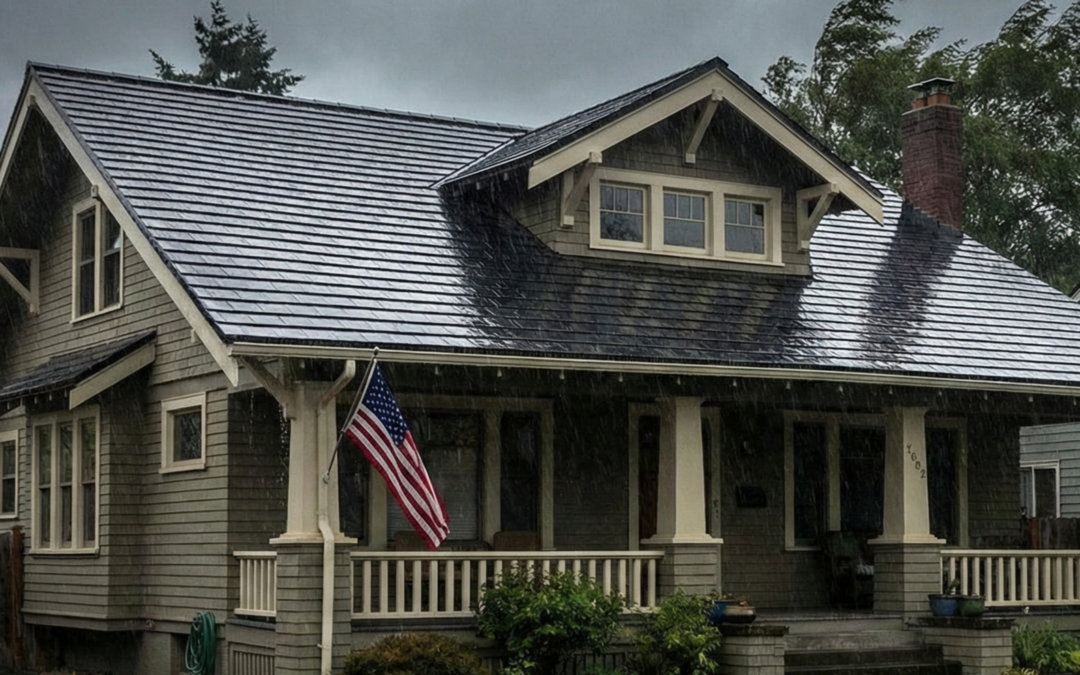
Water is the enemy of every home. When you consider drilling holes in your roof to attach racking for solar panels, you worry about water getting in. It is a valid fear. Nobody wants to trade an electricity bill for a water damage repair bill.
The good news is that technology has changed. The old way of bolting panels onto shingles is not the only option anymore. Building-integrated photovoltaics, or BIPV, offers a completely different approach. This guide explains why solar roof leaks happen, how traditional installations differ from modern solar tiles, and how integrated waterproofing protects your home.
The Reality of Solar Roof Leaks
Let’s address the main concern directly. Do solar roofs leak? The short answer is that they should not. A properly installed system will never leak. However, leaks do occur in the industry. These leaks are almost always the result of human error rather than product failure.
When you hear horror stories about water damage, they usually involve traditional rack-mounted solar panels. In those systems, installers drill dozens of holes through your existing shingles to find the rafters. If they miss a rafter or fail to seal the penetration correctly, water finds a way in.
Solar tiles are different. They do not sit on top of your roof. They are your roof. This fundamental difference changes how we handle waterproofing.
Traditional Panels vs. Solar Tiles: A Waterproofing Comparison
To understand why solar tiles are safer, you must understand the flaw in traditional solar setups.
The Weakness of Rack-Mounted Systems
Traditional solar installations rely on penetrations. An installer locates a rafter and drives a lag bolt through the shingles, the underlayment, and the roof deck. They do this repeatedly across the roof. Each hole is a potential entry point for water. Installers use flashing and sealant to close these gaps, but sealants degrade over time. The expansion and contraction of materials during hot summers and cold winters can cause these seals to fail. This leads to the “roof damage from solar panels” you often read about in forums.
The Strength of Integrated Solar Roof Waterproofing
Solar tiles use a method called BIPV. This stands for Building-Integrated Photovoltaics. Instead of punching holes in an existing roof, you remove the old roof entirely. You start with a clean deck. You install a new, high-quality underlayment. Then, you install the solar tiles just like you would install high-end slate or asphalt shingles.
The solar tiles overlap each other. They shed water naturally down the slope of the roof. There are no rack penetrations because there is no rack. The tiles are fastened to the deck using specialized clips or screws that are covered by the course of tiles above them. This design mimics the centuries-old water-shedding logic of standard roofing.
Common Solar Shingles Installation Problems
Even with the superior design of solar tiles, installation matters. A solar roof is a complex construction project. It requires expertise in both roofing and electrical work. When leaks happen with solar shingles, they usually stem from a few specific issues.
1. Improper Underlayment Installation
The tiles are the first line of defense, but the underlayment is the goalie. The underlayment is a waterproof barrier installed directly on the wood deck. If an installer rushes this step or uses low-quality material, water that gets past the tiles during a wind-driven rainstorm will soak into the wood. High-quality solar roofs use a self-adhering, ice-and-water shield underlayment that seals around every nail or screw.
2. Flashing Errors
Flashing is the metal material used to seal joints and transitions. You find it around chimneys, vents, skylights, and where the roof meets a wall. This is the most difficult part of roofing. If an installer does not overlap the flashing correctly, water will run behind it. This is not a solar issue. It is a general roofing competency issue.
3. Incompatible Materials
Solar tiles must integrate with inactive tiles to cover the parts of the roof that do not need to generate power. These two materials must fit together perfectly. If an inexperienced crew tries to force parts together that do not interlock, they create gaps. These gaps allow wind to blow rain underneath the system.
How Solar Tiles Are Engineered to Stay Dry
Manufacturers of solar tiles know that homeowners worry about leaks. They have spent years engineering solutions to ensure integrated solar roof waterproofing is superior to standard roofing.
The Glass-on-Glass Design
Many solar tiles use a glass-on-glass construction. This material is impervious to water. Unlike asphalt shingles, which absorb a small amount of moisture and degrade over time, glass sheds water instantly. It does not rot, warp, or crack under normal weather conditions.
Engineered Channels and Gutters
If you look closely at the side of a solar tile, you will see a system of grooves and channels. These are microscopic gutters. When water lands on the roof, gravity pulls it down. If wind pushes water sideways between the tiles, these channels catch it and direct it down to the next tile. This internal drainage system keeps the underlayment dry even during severe storms.
Wind Resistance Testing
Water often enters a roof because wind lifts the shingles. Solar tiles are heavy and rigid. They are rated for high wind speeds, often exceeding 110 mph. Because they do not lift, wind-driven rain cannot get underneath them. This stability makes them one of the most watertight options on the market.
What to Do If You Suspect a Leak
If you see a stain on your ceiling or water in your attic, you need to act fast. Water travels. The spot where you see the leak inside is rarely directly below the leak on the roof.
- Contact Your Installer: Your first call should be to the company that installed the roof. They know the system best.
- Review Your Warranty: Most reputable solar tile manufacturers offer a weatherization warranty. This covers leaks related to the installation or the product itself.
- Do Not Climb on the Roof: Solar tiles are slippery, especially when wet. They are also electrical devices. Leave the inspection to a professional who has the right safety gear.
Preventing Leaks Before They Start
The best way to handle a leak is to prevent it from ever happening. The success of your solar roof project depends entirely on the quality of the installation.
Choose a Certified Installer
Never hire a general handyman for a solar tile roof. You need a contractor who is certified by the manufacturer. These installers have undergone specific training on how to handle the product. They know exactly where the flashing goes and how to overlap the underlayment. They understand the “solar shingles installation problems” to avoid.
Insist on a Full Tear-Off
Some companies might suggest installing new materials over an old roof to save money. Do not do this. A solar tile roof requires a flat, clean, and stable deck. You must remove the old roof to inspect the plywood underneath. If there is any rot or water damage from the previous roof, you must fix it before you cover it up with a solar system.
Ask About the Warranty
Before you sign a contract, read the warranty fine print. You want coverage for three things: the power production, the product integrity, and the weatherization. A company that stands behind its waterproofing will offer a long-term warranty against leaks.
Invest in a Watertight Future
A solar roof is a significant upgrade for your home. It offers energy independence and a sleek aesthetic. It should also offer complete peace of mind. By choosing an integrated design over a rack-mounted system, you eliminate thousands of unnecessary holes in your roof. You trade a system prone to leaks for a system engineered to shed water.
The key is proper planning and expert execution. When installed correctly, a solar tile roof is one of the driest, most durable roofs you can own.
